
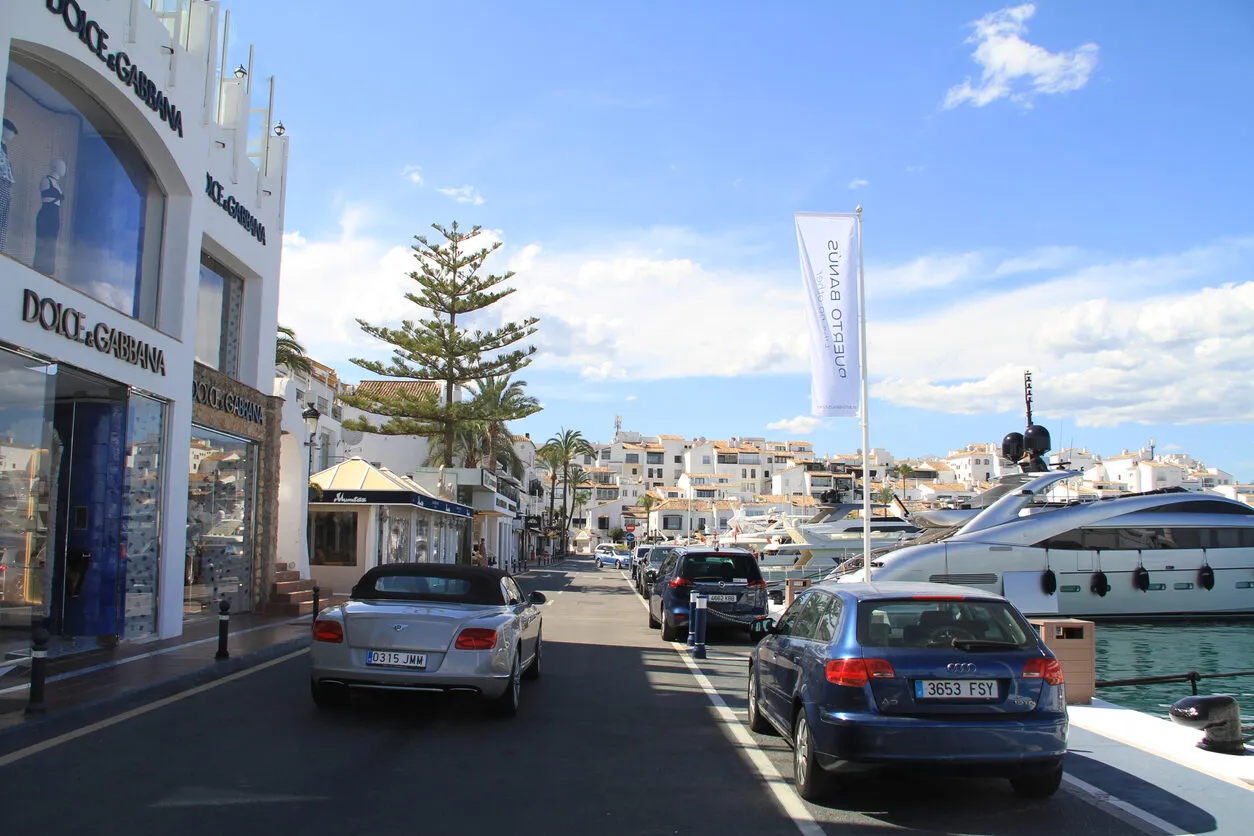

Figuring out how to get around Marbella without a car is one of the most practical questions travelers face when planning a Mediterranean break. While southern Spain is famous for scenic driving routes, navigating congested summer traffic, paying steep underground parking garage fees, and hunting for parking spaces along the Golden Mile can quickly spoil a relaxing holiday.
Fortunately, getting around the coastal municipality on foot and via local transit is straightforward once you understand how the municipal urban bus lines, regional transit hubs, and private rideshares operate. From walking the palm-lined coastal boardwalk to hopping on the local L-1 bus to Puerto Banús, this guide breaks down every practical transit option, realistic fare estimates, and local navigation hacks. If you are still organizing your airport arrival first, review our dedicated breakdown on getting from Malaga Airport to Marbella.
Table of Contents
Quick Overview: Getting Around Marbella at a Glance
| Transport Mode | Primary Route / Coverage | Typical Cost | Best Used For |
|---|---|---|---|
| Walking | Old Town & Seafront Boardwalk | Free | Sightseeing, dining & beach walks |
| Urban Bus (L-1 / L-2) | Center <> Golden Mile <> Puerto Banús | €1.20 (Single trip) | Budget daytime transit along coast |
| Local Taxis (Radio Taxi) | Full Municipal Area | €8 – €18 (Metered) | Late-night trips & instant pickups |
| Rideshares (Uber/Bolt) | Marbella, Banús & Benahavís | €9 – €22 (Surge variable) | Upfront fare certainty on phone |
| Bicycle Rental | Paseo Marítimo Coastal Path | €12 – €20 / day | Active scenic seaside cruising |
1. Exploring Marbella on Foot: Walkability Reality Check

The historical heart of Marbella (Casco Antiguo) is entirely pedestrianized and exceptionally compact. From historic plazas filled with orange trees to the marble-paved Avenida del Mar with its famous Salvador Dalí bronze sculptures, you can easily walk from the medieval quarter down to the Mediterranean beach in less than 7 minutes.
The crown jewel for pedestrians is the Paseo Marítimo, a continuous coastal boardwalk spanning over 12 kilometers. You can walk along flat, scenic pathways directly from the Marbella Marina past luxury beach clubs all the way to Puerto Banús. The walking distance between central Marbella and Puerto Banús is approximately 6.5 kilometers (taking around 1 hour and 15 minutes at a relaxed pace), lined with seaside cafes and rest stops. For recommended hotel bases along this corridor, explore our guide on where to stay in Marbella.
2. Riding the Municipal Bus Network (Urbanos de Marbella)
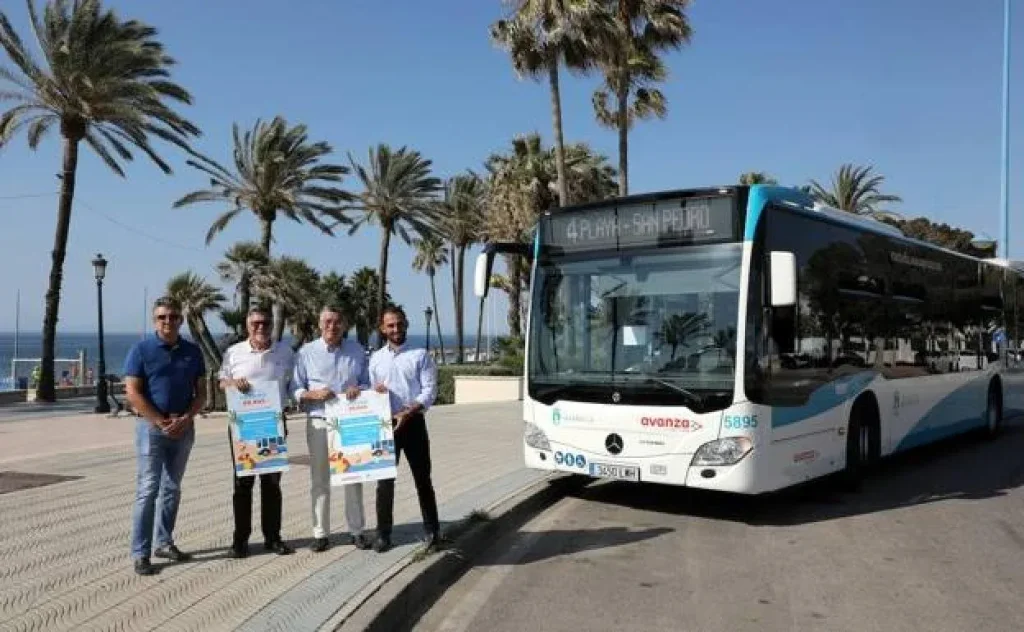
Operated by Avanza under the municipal network, the local bus fleet provides air-conditioned, low-cost transport connecting the residential areas, historic center, and outer shopping complexes.
- Line L-1 (La Torrecilla <> Puerto Banús): The most important route for tourists. It runs along the main coastal artery, picking up passengers on Avenida Ramón y Cajal in Marbella center, stopping through the Golden Mile, and terminating near the luxury marina of Puerto Banús. Buses run approximately every 15 to 20 minutes during daytime hours.
- Line L-2 (Marbella Center <> La Cañada Shopping): Takes visitors directly from central stops up to the massive La Cañada commercial center in roughly 10 minutes.
- Fares & Payment: A single ticket costs €1.20. You can pay the driver directly with small euro coins and notes (under €10) or tap with a contactless debit/credit card on modern validator screens. For schedules, verify route times on the official Avanza Marbella Portal.
3. Taxis vs. Rideshare Apps: Uber, Bolt & Cabify

When public buses stop running frequently late at night or when heading to fine dining reservations, private car services are the standard method of transport:
- Official White Taxis (Radio Taxi Marbella): Highly regulated with mandatory dashboard taximeters. Official taxi ranks (Paradas de Taxi) are located outside key landmarks including Plaza de los Naranjos perimeter, Marbella Port, and Puerto Banús marina entrance. They are often faster to catch than waiting for app pickups during busy weekend hours.
- Rideshare Apps (Uber, Bolt, and Cabify): All three platforms operate widely across the western Costa del Sol. They provide the benefit of fixed pricing and in-app navigation, though surge pricing applies heavily during July and August club closing hours. A typical ride between central Marbella and Puerto Banús ranges from €11 to €18 under normal conditions.
- Important Taxi Note: In Spain, hailing moving taxis on the street with a hand wave is less common; you should walk to an official signed taxi rank or book through the official TaxiClick app or local phone line.
4. Cycling & E-Scooters Along the Paseo Maritimo

Renting a city cruiser or electric bicycle is one of the most scenic ways to travel along the coast between Marbella and Puerto Banús without dealing with boulevard road traffic.
- Designated Paths: The beachfront promenade features dedicated bike lanes on several sections. During crowded summer afternoons, cyclists must ride at slow walking paces or dismount in densely pedestrianized restaurant zones.
- Electric Scooters (VMP Regulations): Spain enforces strict national and local rules for e-scooters. Riding scooters on pedestrian sidewalks or boardwalk pedestrian zones is prohibited by municipal police and subject to fines. Always use designated cycle paths or secondary roadway lanes.
- Rental Costs: Classic cruiser bikes cost around €12–€15 per day, while e-bikes typically rent for €25–€35 per day with deposit.
5. Regional Buses for Coastal Day Trips
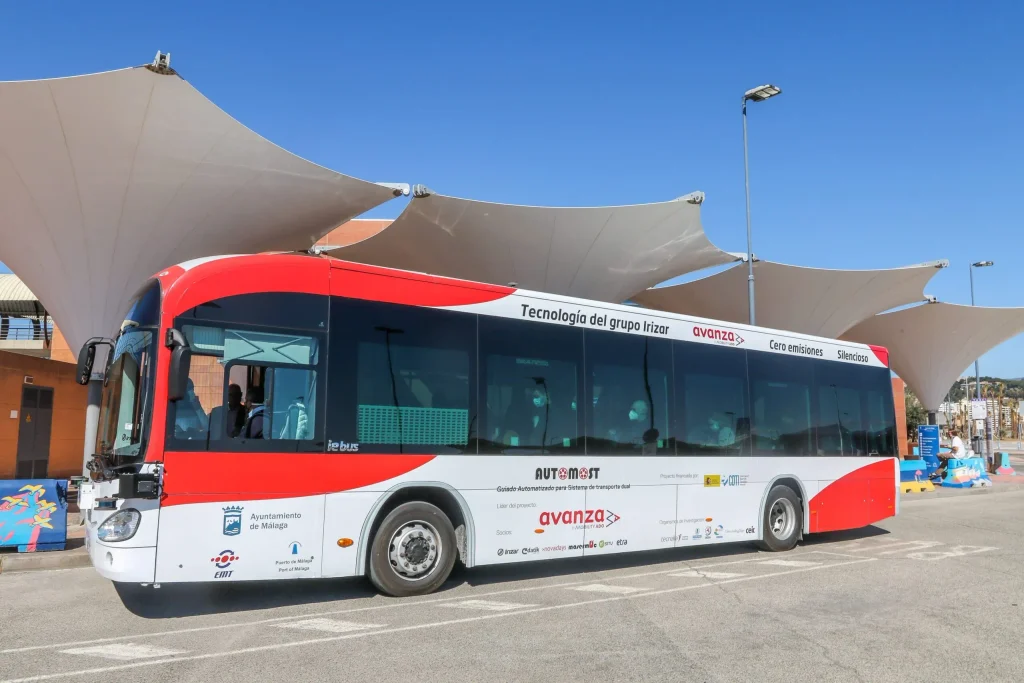
Not having a rental vehicle does not restrict you to Marbella alone. The main Marbella Bus Station (Estación de Autobuses), located just north of the AP-7 highway bypass, offers direct intercity coach connections to several top destinations:
- Ronda: Comfortable day buses navigate through the Serranía de Ronda mountains in approximately 1 hour and 15 minutes.
- Málaga City: Direct express coaches connect to central Málaga and María Zambrano train station in 50 minutes for roughly €7.
- Estepona: Frequent coastal services take around 30 minutes west along the coastline. For trip ideas beyond town, see our complete guide on day trips from Marbella.
Frequently Asked Questions
Is Marbella walkable without public transport?
If you stay centrally—between the historic Old Town and the seafront promenade—Marbella is exceptionally walkable. You can access supermarkets, beaches, dining squares, and pharmacies entirely on foot without taking vehicles. You only need buses or taxis when heading to Puerto Banús, hillside golf courses, or day trips.
Does Uber operate reliably in Marbella?
Yes, Uber, Bolt, and Cabify are active throughout Marbella and the surrounding coastal strip. Wait times in central zones are typically under 5 to 8 minutes, though during peak July and August weekend evenings, wait times and fares rise noticeably due to local demand.
The Takeaway
Visiting Marbella without a rental vehicle is not only practical—it frequently saves money and spares you the hassle of searching for expensive parking garages. By combining leisurely strolls along the seaside boardwalk with the affordable L-1 local bus and on-demand taxi ranks, you can explore the best of the coast effortlessly.