
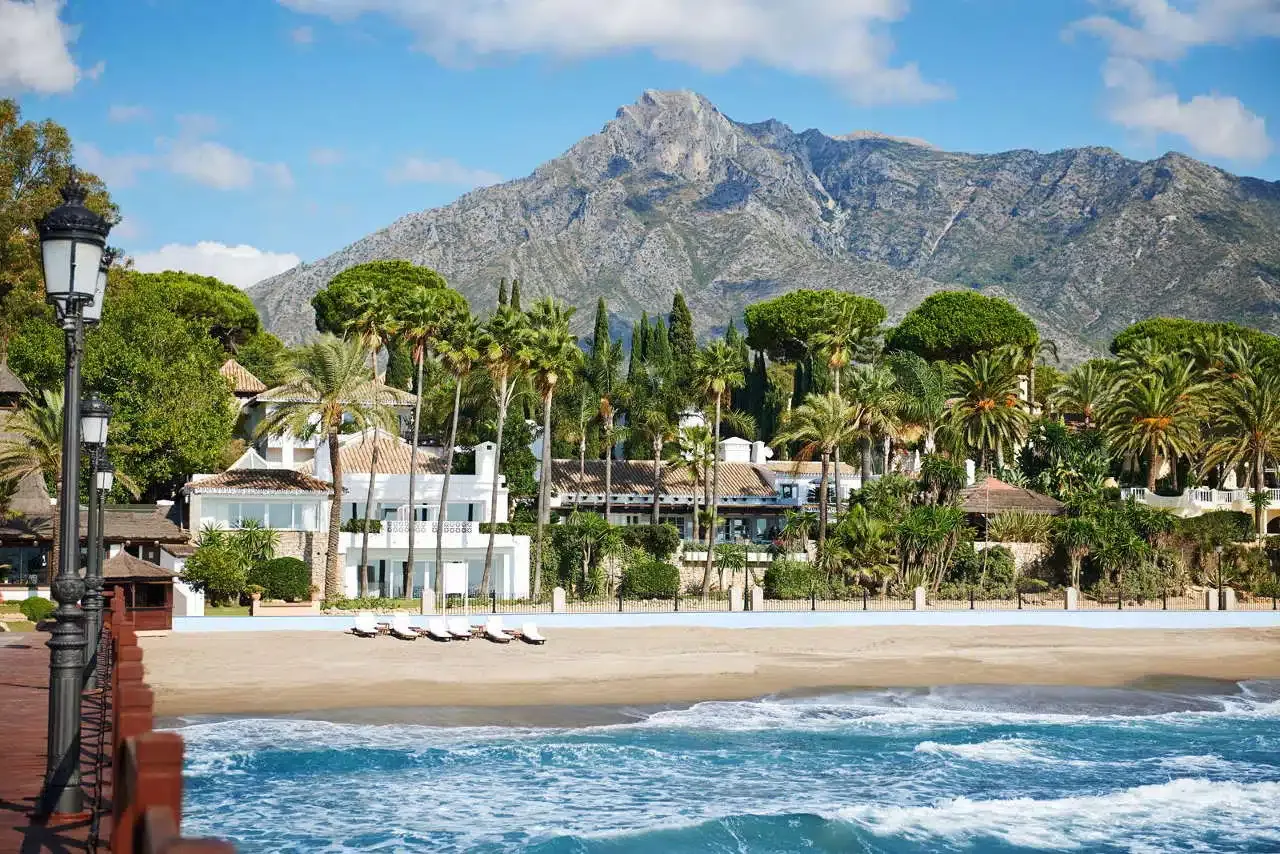

Pinpointing the best time to visit Marbella depends entirely on whether your Mediterranean getaway centers around high-energy beachfront parties, relaxed cultural exploration, or championship golf. Sheltered by the dramatic backdrop of the Sierra Blanca mountain range and its signature peak, La Concha, Marbella benefits from a unique microclimate that delivers over 320 days of sunshine each year.
While summer brings international jet-setters, packed beach clubs, and vibrant marina nightlife, the shoulder seasons offer pleasant swimming temperatures with significantly fewer crowds and far more accessible hotel rates. To help you plan your itinerary, this local guide breaks down Marbella by season, monthly climate averages, annual resort opening windows, and budgeting tips. If you are beginning your accommodation search, pair this guide with our breakdown on where to stay in Marbella.
Table of Contents
Marbella by Season: A Quick Comparison
| Season | Months | Avg High Temp | Crowd Level | Ideal For |
|---|---|---|---|---|
| Spring | March – May | 19°C – 24°C | Moderate | Sightseeing, hiking & golf |
| Summer | June – August | 28°C – 32°C | Peak / Busy | Beach clubs, yachting & nightlife |
| Autumn | Sept – October | 23°C – 28°C | Moderate / Low | Warm sea swimming & food tours |
| Winter | Nov – February | 16°C – 19°C | Quiet | Budget stays & wellness retreats |
1. Spring (March to May): Flowers, Golf & Pleasant Strolls
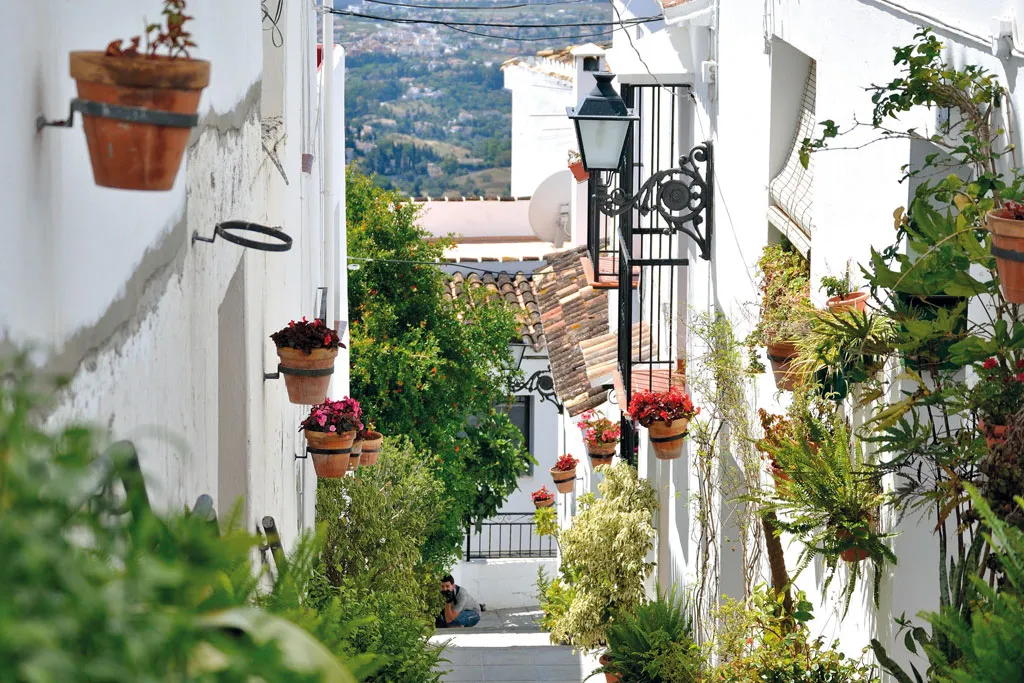
Spring is widely considered by frequent visitors to be one of the most rewarding periods to experience the Costa del Sol. As the bougainvillea blooms across the whitewashed facades of the Old Town, daytime temperatures consistently hover between 20°C and 24°C.
- Atmosphere: Calm yet buzzing with renewed coastal life. Outdoor restaurant terraces in Plaza de los Naranjos fill up comfortably without requiring reservations days in advance.
- Outdoor Pursuits: Optimal conditions for hiking up La Concha or tackling regional golf courses along the Golf Valley in Nueva Andalucía before summer humidity sets in. For comprehensive itinerary ideas, check our guide on things to do in Marbella.
- Accommodation Outlook: High-end resorts maintain reasonable shoulder rates until late May, making boutique stays especially attractive. (Compare options in our romantic boutique hotels in Marbella review).
2. Summer (June to August): High Glamour & Peak Heat
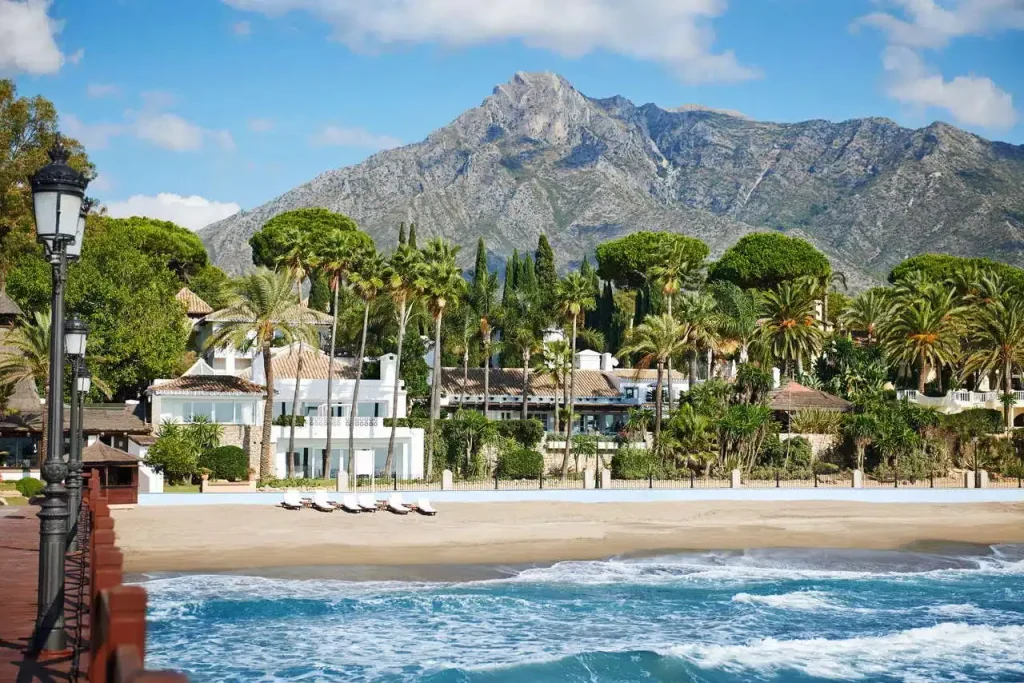
Summer transforms Marbella into the luxury capital of southern Europe. Yachts dock shoulder-to-shoulder in Puerto Banús, and world-renowned DJs headline open-air parties along the Mediterranean shoreline.
- The Beach Experience: Sea temperatures rise to an inviting 23°C to 24°C by late July. Sun loungers and beachfront cabanas are in extreme demand across the coast. If you plan to spend days by the sand, consult our curated guide to beachfront hotels in Marbella.
- The Trade-offs: Nightly rates across Golden Mile resorts reach their annual peak, with strict minimum-night policies. Traffic between Marbella center and Puerto Banús can be heavy; learn how to navigate efficiently in our guide on how to get around Marbella without a car.
- Nightlife & Dining: Booking tables at top dining spots like Nobu or Cipriani requires advance planning weeks before your arrival.
3. Autumn (September to October): The Connoisseur’s Window

If you ask local residents to name the single best time to visit Marbella, September and early October are almost unanimously selected. The intense peak summer heat softens into gentle 25°C sunny afternoons, while the Mediterranean sea remains warm from months of summer sun.
- Warm Waters & Space: Beaches that were crowded in August clear out substantially by the second week of September, leaving pristine stretches of golden sand.
- Dining & Tapas: You can walk into premier seaside chiringuitos and traditional Old Town tapas spots without long waiting queues.
- Value: Five-star luxury properties and private villa estates often drop prices by 25% to 40% compared to August peaks. (For private water luxury, explore our review of Marbella hotels with private pools).
4. Winter (November to February): Mild Sun & Quiet Retreats
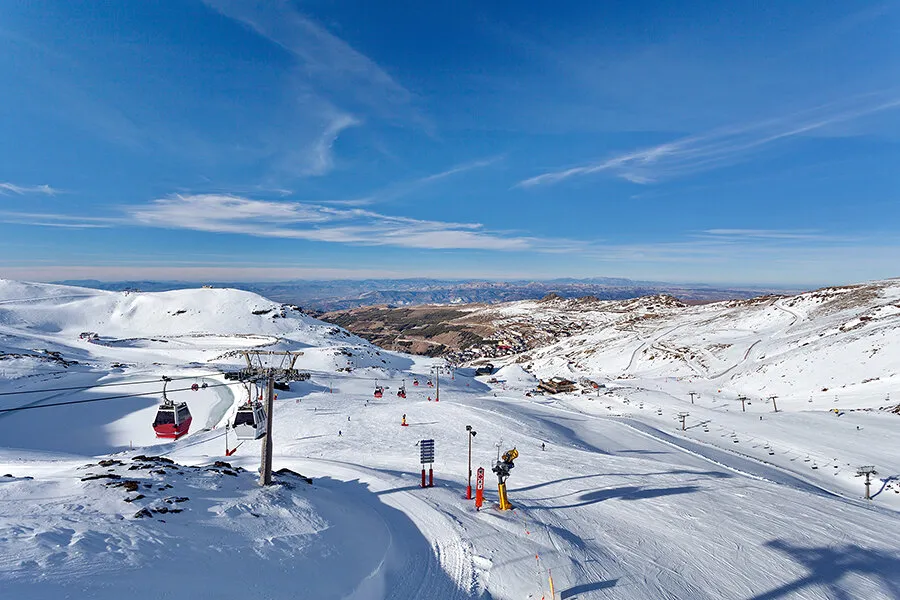
While northern and central Europe experience freezing temperatures, Marbella enjoys mild Mediterranean winter conditions with daytime highs around 16°C to 19°C under clear blue skies.
- Who It Suits: Digital nomads, retirees, golfers, and travelers seeking wellness getaways. It is also an exceptional base for cultural day trips to Ronda, Seville, or Granada.
- What Closes: Open-air beach clubs (such as Nikki Beach and Ocean Club) close their doors between late October and April. However, year-round hotels, traditional restaurants, and beachfront promenade cafes remain open.
- Budget Travel: This is the most affordable time of the year. Backpacker and budget accommodations offer rock-bottom rates; see our overview of the budget hotels and hostals in Marbella for economical ideas.
When Do Beach Clubs Open and Close?
The operational calendar of Marbella’s famous beach club scene dictates the travel plans of many summer visitors:
- Opening Parties (Late April to May): Major venues kick off the season with grand white parties and champagne opening events.
- Peak Season (Late June to August): Daily operations, world-class entertainment, and full VIP daybed bookings every weekend. For the top venues, read our review of the best beach clubs in Marbella.
- Closing Parties (Late September to Mid-October): Signature seasonal closing events with elaborate red-carpet themes mark the transition to the quiet winter months. For official regional event schedules, consult the Andalucía Tourism Portal.
Logistics: Timing Your Arrival and Transfers
Regardless of the month you choose to travel, flying into Málaga-Costa del Sol Airport (AGP) is the primary gateway for international visitors. During peak July and August weekends, passport control and luggage queues can be extended, so planning your onward transfer is critical. For direct bus schedules and private airport transfer comparisons, see our route guide on getting from Malaga Airport to Marbella.
Frequently Asked Questions
Is Marbella too hot in July and August?
While inland Andalusian cities like Seville and Córdoba regularly exceed 40°C, Marbella’s coastal geography keeps temperatures moderated between 29°C and 32°C. Fresh coastal sea breezes make daytime sunbathing comfortable, though midday urban walking can feel hot.
Can you swim in the sea in Marbella during May or October?
In May, the sea is refreshing and brisk (around 17°C to 18°C), making it invigorating for quick swims. In October, the sea retains accumulated summer heat (averaging 20°C to 21°C), providing very comfortable swimming conditions throughout the month.
The Verdict
For the ultimate balance of warm Mediterranean waters, comfortable dining temperatures, and manageable crowds, September is the overall best month to visit Marbella. If high-octane VIP pool parties and glamorous nightlife are your top priority, aim for July or August, while April and May provide the quintessential setting for scenic hikes, golf, and peaceful Old Town exploration.