
Marbella has a reputation built on superyachts, five-star resorts and champagne-priced beach clubs, so it is natural to wonder whether an ordinary holiday there will cost a fortune. The honest answer: Marbella is only as expensive as you make it. The same town that has €1,000-a-night suites also has family-run guesthouses, €1.18 bus fares and three-course lunch menus for less than the price of a cinema ticket in London.
This guide breaks down what things really cost in Marbella in 2026, from hotels and meals to transport and beach days, with realistic daily budgets and practical ways to spend less without missing out.
The short answer
- Is Marbella expensive? It can be, but it does not have to be. Prices are higher than in Málaga and most Spanish resorts, yet everyday costs are often lower than in the UK.
- Budget traveller: around €70–100 per person per day, including a shared room (see daily budgets)
- Cheapest months: November to February, excluding Christmas and New Year
- Most expensive areas: Puerto Banús and the Golden Mile; the Old Town and town centre are far better value
Prices in this guide were checked in September 2026 and are approximate. They vary by season and change over time, so use them as a planning guide rather than exact quotes.
How Much Does a Day in Marbella Cost?
These daily budgets are per person, based on two people sharing a room, and exclude flights. They assume a mix of paid and free activities, which is how most visitors actually spend their days.
Budget
€70–100 per day
Guesthouse or simple hotel in the town centre, lunch menus and tapas, buses, free beaches and sightseeing.
Mid-range
€150–250 per day
Three- or four-star hotel, restaurant dinners, a few taxis, a boat trip or a day with sunbeds.
Luxury
€500+ per day
Five-star resort on the Golden Mile, fine dining, private transfers, spa treatments and beach-club days.
Hotel Prices in Marbella
Accommodation is the biggest variable in any Marbella budget, and the season matters as much as the star rating. The same room can cost twice as much in August as in November.
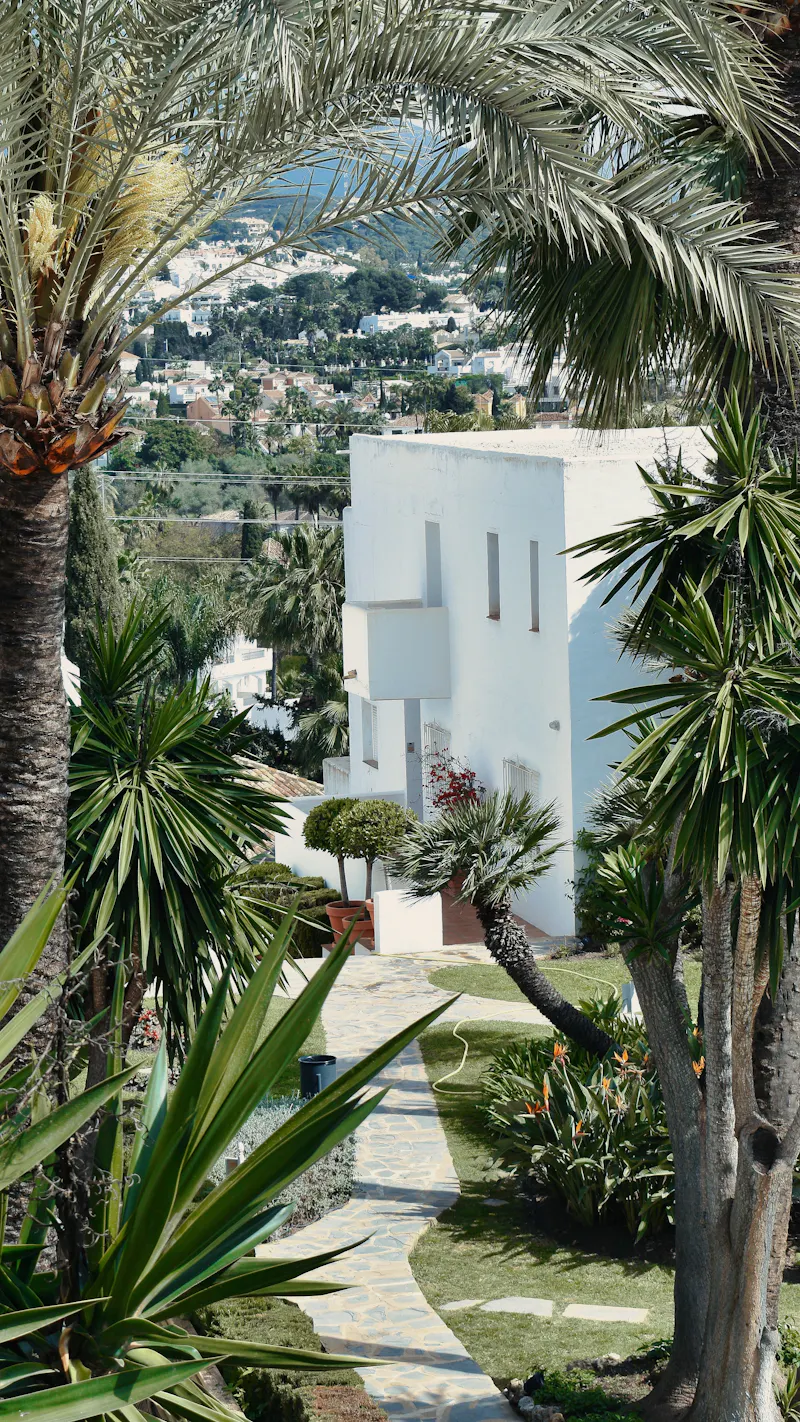
- Guesthouses (hostales) and budget hotels: roughly €50–90 a night for a double room outside summer, rising to €90–150 in July and August. Most are in the Old Town and town centre, within walking distance of the beach.
- Mid-range three- and four-star hotels: about €90–160 a night off-peak and €160–300 in high summer.
- Five-star resorts: usually €250–500 a night in the low season, climbing to €500–1,000 or more for the most famous Golden Mile addresses in July and August.
- Holiday apartments: often the best value for families and longer stays, because a kitchen cuts the cost of eating out.
For specific recommendations at each price level, see our guides to the best budget hotels in Marbella and the best luxury hotels in Marbella. Families should also read our family hotels guide, as suites and apartments can work out cheaper than two separate rooms.
Food and Eating Out
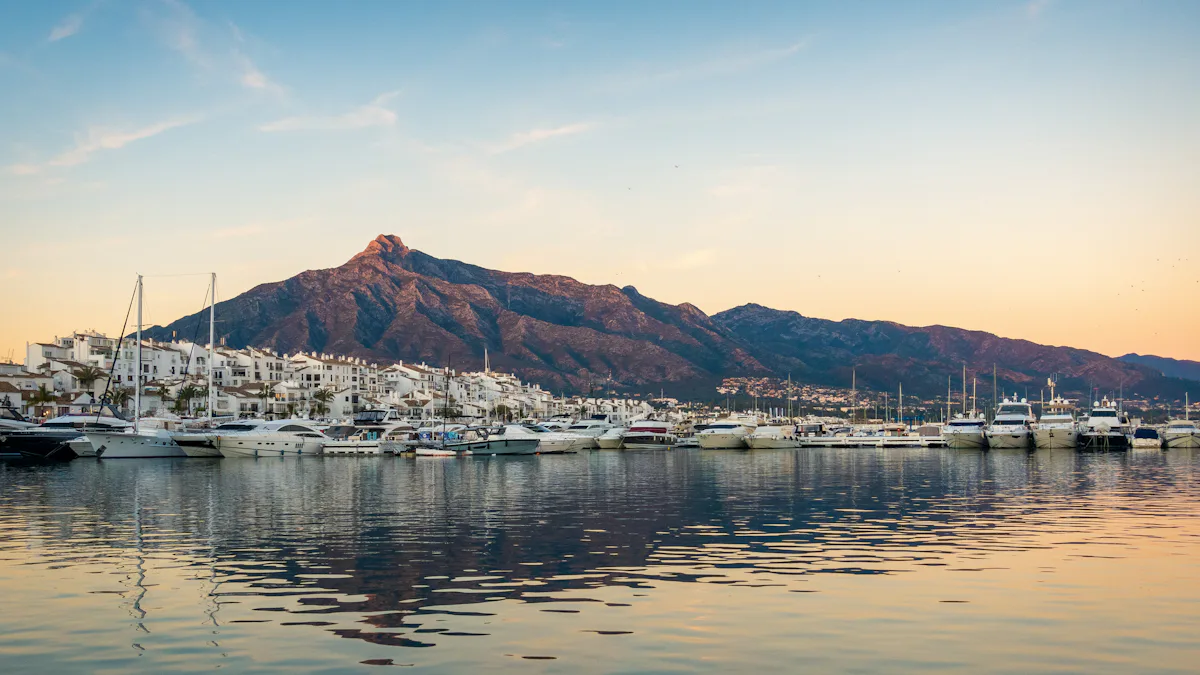
Eating out is where Marbella surprises most visitors, in both directions. A traditional lunch can be very good value, while a table facing the marina in Puerto Banús can cost several times more for similar food.
- Coffee: about €1.60–2.50 for a café con leche at a local café.
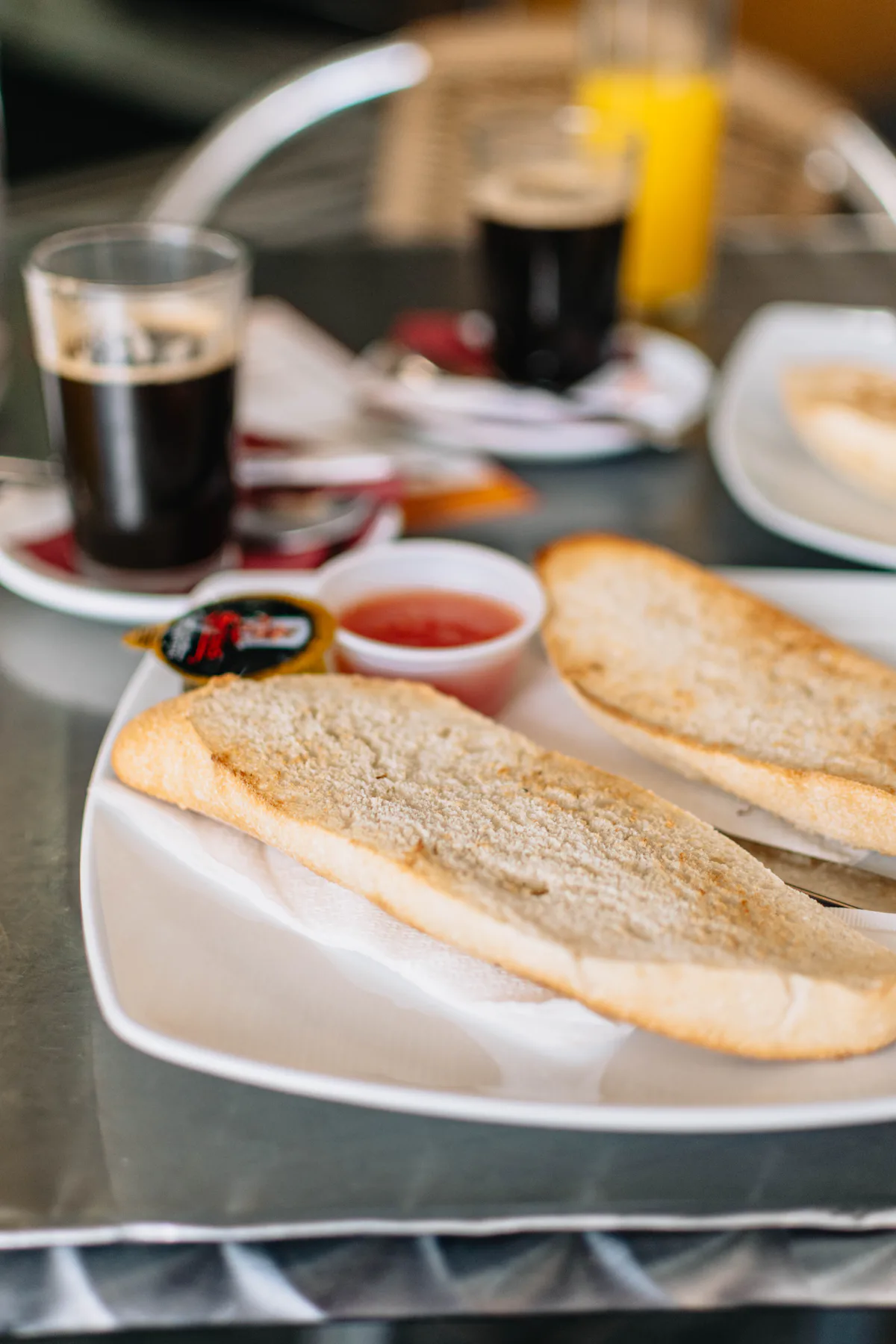
- Breakfast: toast with tomato and olive oil (tostada), coffee and fresh orange juice for around €4–7.
- Lunch menu (menú del día): roughly €12–18 on weekdays for three courses with bread and a drink. This is the best-value meal in Spain.
- Tapas: about €3–5 per tapa in traditional bars, so two people can eat well for €25–35.
- Dinner at a mid-range restaurant: around €25–40 per person.
- Marina-front and Golden Mile restaurants: often €50–100 per person or more.
- Michelin-starred dining: tasting menus typically start well above €150 per person.
Supermarkets such as Mercadona and Lidl have similar or lower prices than in the UK, so self-catering or picnic lunches on the beach keep costs down. For our favourite tables at every budget, see where to eat in Marbella.
Transport Costs
Getting around Marbella is cheap if you use public transport and can get expensive if you rely on taxis or park in central car parks every day.
- Local bus: a single ticket on Marbella’s urban buses costs €1.18, according to the operator’s official fare table.
- Airport coach: the direct Avanza coach from Málaga Airport to Marbella costs roughly €7–10 per person.
- Airport taxi: about €70–95 from the official rank, depending on the time and your exact destination.
- Taxis around town: a trip from the town centre to Puerto Banús is usually around €12–15.
- Car hire: from around €30 a day in the low season, much more in summer. Central car parks charge roughly €20–26 per 24 hours.
Most visitors staying near the centre do not need a car at all. Our guide to getting around Marbella without a car explains the bus network, and Málaga Airport to Marbella compares every transfer option.
Beaches and Activities
Some of the best things in Marbella cost nothing. All beaches in Spain are public, and you are free to lay your towel anywhere on the sand, even in front of the most exclusive hotels.
- Free: the beaches, the seafront promenade, the Old Town, the Dalí sculptures on Avenida del Mar and hiking La Concha mountain.
- Sunbeds and umbrellas: at a beach restaurant (chiringuito) on the town beaches, expect roughly €10–15 per sunbed for the day.
- Beach clubs: from around €50 per bed on quieter days to several hundred euros for premium daybeds in peak season. See our beach clubs guide for what each one costs.
- Boat trips and excursions: about €30–60 per person for a sightseeing cruise or an organised day trip.
- Golf: green fees vary widely, from around €80 to over €250 depending on the course and the season.
- Museums: the Contemporary Engraving Museum in the Old Town charges only a small entry fee.
The Most and Least Expensive Areas
Where you stay and where you eat makes a bigger difference to your budget than almost anything else.
- Most expensive: Puerto Banús and the Golden Mile, home to luxury resorts, designer shops and the priciest restaurants on the coast.
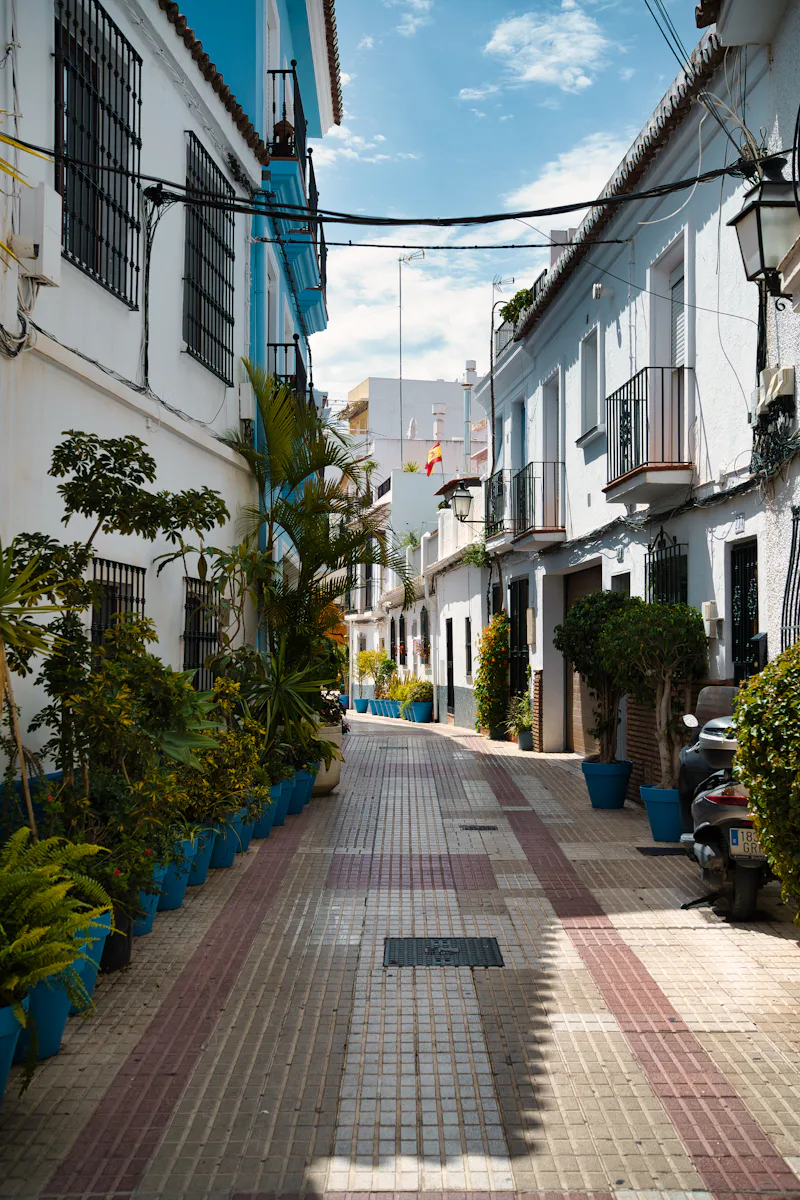
- Best value: the Old Town and the streets around the town centre, where locals eat and guesthouses are more affordable.
- Good middle ground: San Pedro de Alcántara and East Marbella, which have quieter beaches and lower prices than the glamorous centre.
Not sure which area suits you? Our guide to where to stay in Marbella compares each neighbourhood.
When Is Marbella Cheapest?
- Cheapest: November to February, apart from Christmas and New Year. Hotels drop their prices sharply and the weather is still mild and often sunny.
- Best value: May, June, September and October, when the sea is warm enough to swim but prices have not yet reached their peak.
- Most expensive: July, August and Easter week (Semana Santa), when demand is highest and many hotels require longer minimum stays.
See our best time to visit Marbella guide for weather month by month, or Marbella in winter if you are tempted by a low-season escape.
Is Marbella More Expensive Than Málaga?
Yes, generally. Hotels and restaurants in Málaga city are usually cheaper, especially in summer, because Marbella attracts more high-end visitors. The gap is smallest in Marbella’s Old Town and town centre, and largest in Puerto Banús. Our detailed comparison, Marbella or Málaga, looks at costs, beaches and culture side by side.
10 Ways to Save Money in Marbella
- Travel outside July and August: late spring and early autumn offer summer weather at lower prices.
- Eat your main meal at lunch: the menú del día is far cheaper than the same food at dinner.
- Walk a few streets back: restaurants away from the seafront and the marina are better value and often more authentic.
- Use the bus: at €1.18 a ride, it costs a fraction of a taxi.
- Take the airport coach: it is much cheaper than a taxi if you are not travelling with lots of luggage.
- Bring your own towel: you do not need a sunbed to enjoy the beach.
- Choose a room with a kitchen: even preparing breakfast yourself adds up over a week.
- Stay in the town centre: you will save on both the room rate and transport.
- Book beach clubs on weekdays: prices and minimum spends are often lower than at weekends.
- Enjoy the free sights: the Old Town, the promenade and the mountain views cost nothing.
Frequently Asked Questions
How much spending money do I need for a week in Marbella?
Excluding flights and accommodation, plan on roughly €250–350 per person for a budget week, eating mostly lunch menus and tapas, or €500–800 per person for a comfortable mid-range week with restaurant dinners and a few paid activities.
Is food expensive in Marbella?
Not if you eat where locals eat. A weekday lunch menu costs around €12–18 and tapas are about €3–5 each. Prices rise considerably in Puerto Banús and on the Golden Mile.
Is Puerto Banús expensive?
Yes, it is the most expensive part of Marbella, especially the restaurants and cafés facing the marina. Walking around and admiring the yachts is free, and there are cheaper places to eat in the streets behind the port.
Is Marbella cheaper in winter?
Yes. From November to February, hotel prices are often less than half of their August rates, and flights from the UK are cheaper too. Christmas and New Year are the exception.
Can you visit Marbella on a budget?
Absolutely. Stay in a guesthouse in the town centre, eat lunch menus and tapas, use the buses and enjoy the free beaches and Old Town, and Marbella can cost less than many other European beach destinations.
Final Thoughts
Marbella’s glamorous image hides a very affordable side. Choose the right season, stay in the town centre and eat like the locals, and a holiday here can be surprisingly good value. Save the Golden Mile resorts and marina restaurants for a special treat, and you will get the best of both worlds.